
12 Sushi Making Kits and Tools for Rolling Sushi at Home
A sushi making kit is worth buying if it matches the kind of sushi you want to make. For classic rolls you need a rolling mat and a rice paddle, and that is about it. Bazooka rollers and molds make shapes for you, which suits children and anyone who finds rolling by hand fiddly.
Below is our short list of 12. We visited every listing on amazon.com in October 2026 and left out the ones marked currently unavailable, which knocked out 11 of the 30 products we started with. It goes from a three-piece bamboo set to 20-piece kits, and adds the tools for nigiri, pressed sushi, stacked sushi and onigiri. After the full product grid you’ll find how the types compare and what we’d skip.
As an Amazon Associate we earn from qualifying purchases. Prices and availability change on Amazon, so check the current price there.
Our short list of sushi making kits and tools

Delamu 20-in-1 Sushi Making Kit with Bazooka Roller
The kit to buy if you want to try every style before deciding which one you like. Two bamboo mats, a bazooka roller, two temaki rollers, a rice mold, a sushi knife, a rice paddle and spreader, a cutting guide and a guide book with six sample recipes. Delamu says the plastic parts are BPA free.

Delamu 27-in-1 Parent-Child Sushi Kit
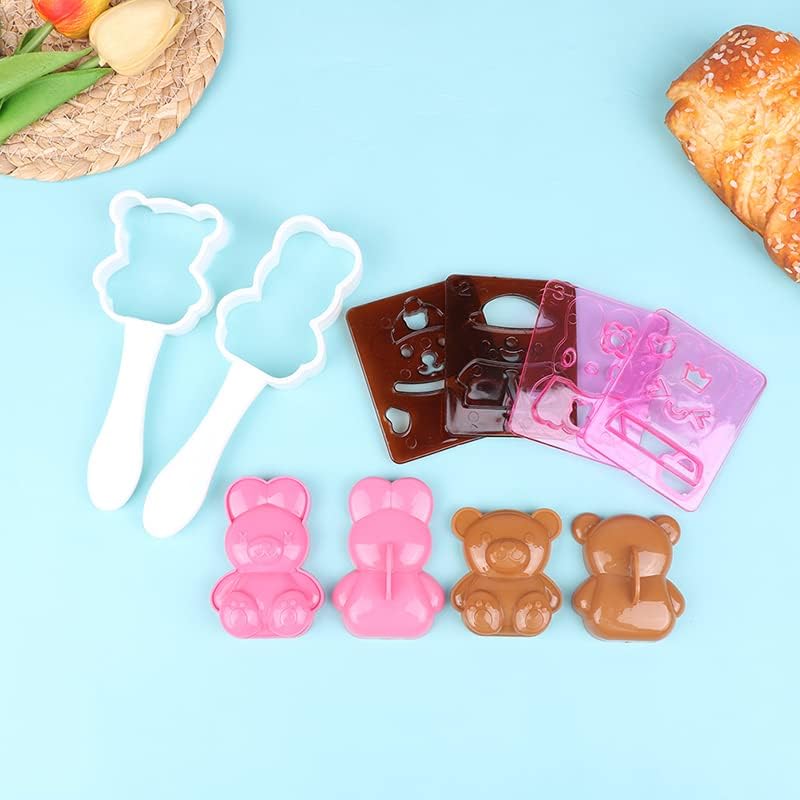
The same idea aimed at cooking with kids: a roller tube and bamboo mats, plus animal, triangle, nigiri and gunkan molds, an avocado cutter and a picture guide. The molds do most of the shaping, which is what keeps small hands interested.
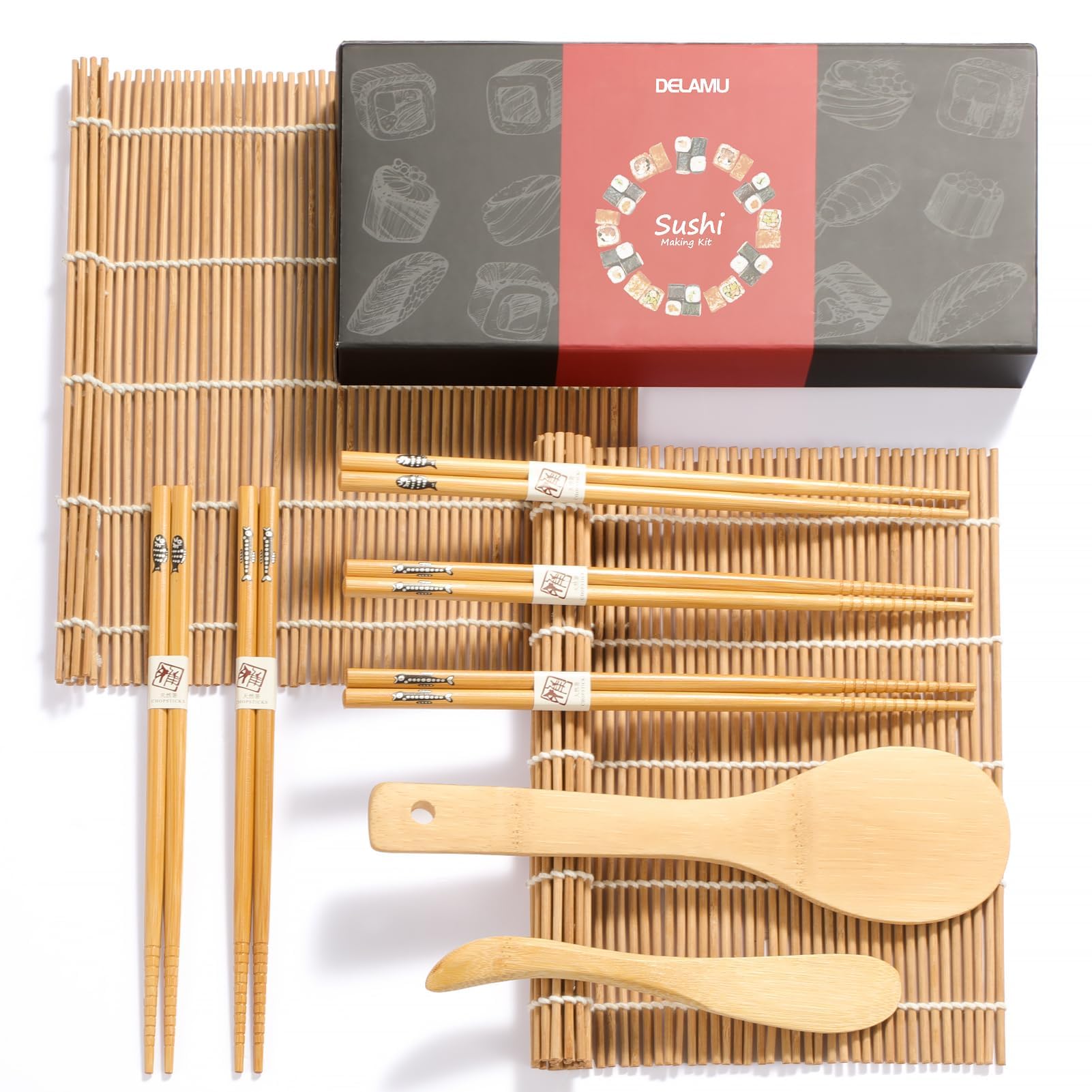
Delamu Bamboo Sushi Making Starter Set
Just the traditional tools: two rolling mats, a rice paddle, a spreader and five pairs of chopsticks. The mats are carbonized bamboo, which Delamu says helps them resist mold. A beginner’s e-book is downloadable from the listing.

Alas 20-Piece Complete Sushi Making Set
A full set for maki, California rolls and nigiri: sushi knife, bamboo mats, rice bazooka, nigiri maker, avocado and cucumber cutters, rice paddles, a brush and a dipping dish. It comes with a recipe booklet and a free e-book.
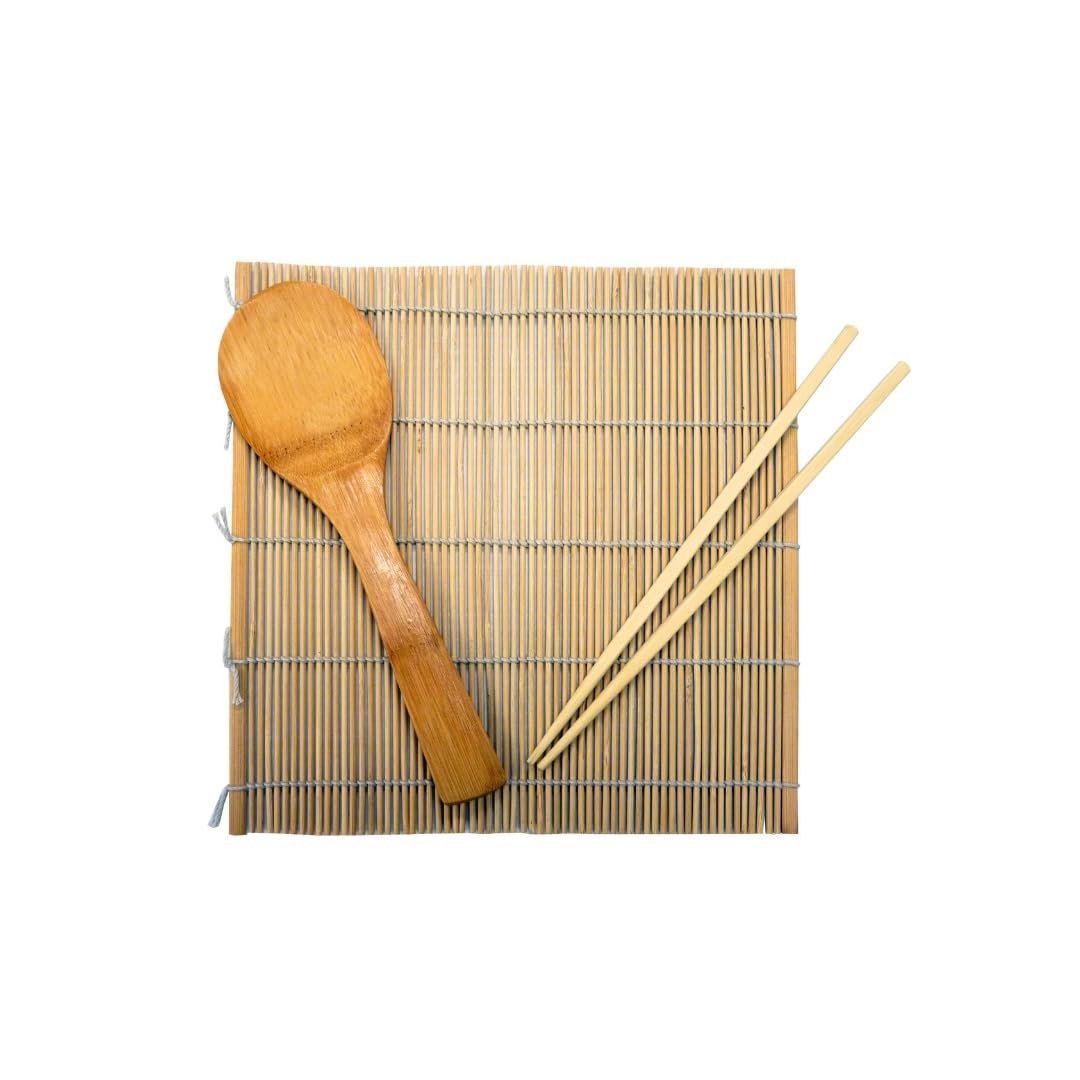
IMUSA 3-Piece Bamboo Sushi Set
The cheapest way in: one bamboo rolling mat, chopsticks and a paddle, nothing else. Enough to find out whether you enjoy rolling sushi before you spend on a bigger kit.
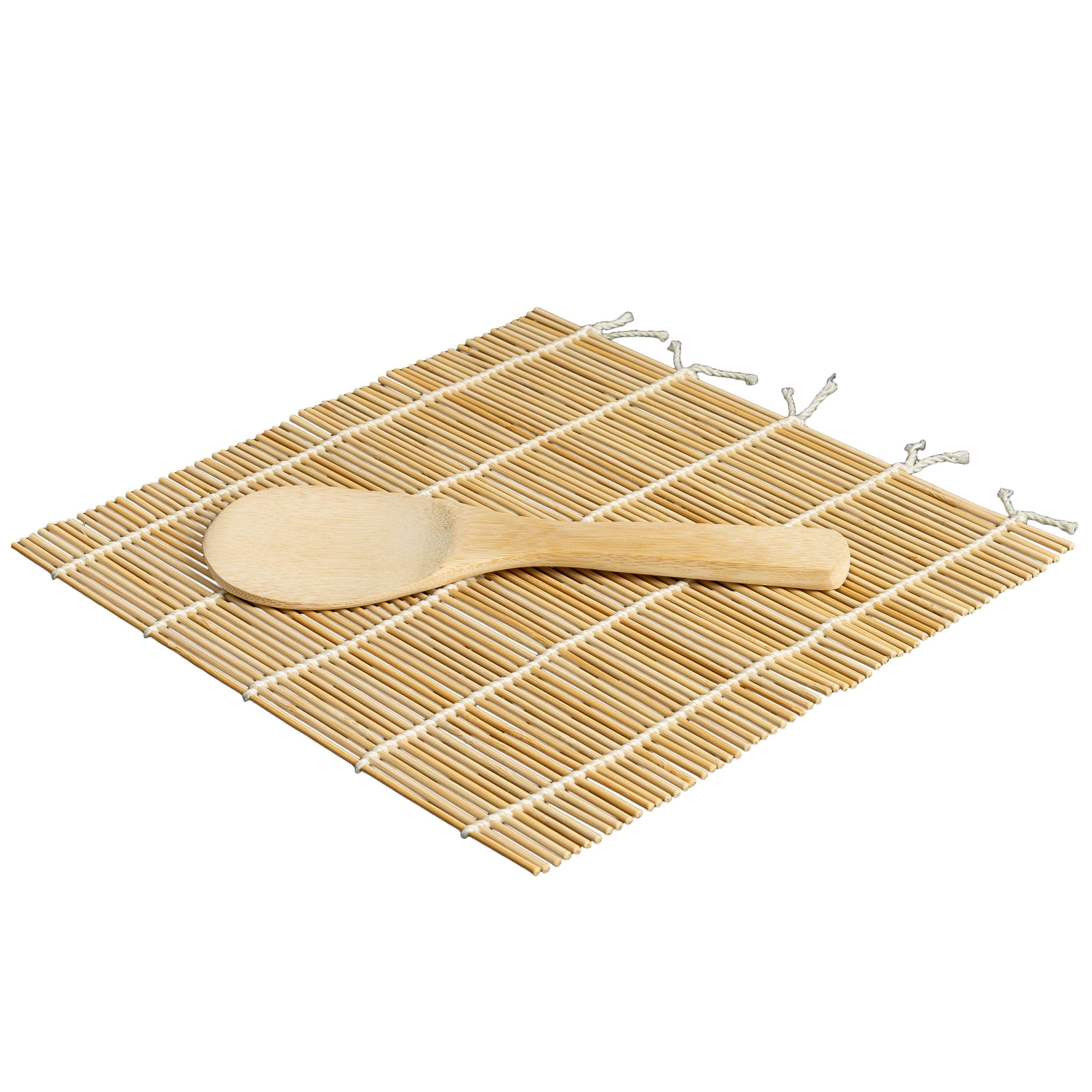
Joyce Chen 3-Piece Sushi Making Kit
A basic kit from a cookware brand: bamboo rolling mat, bamboo rice paddle for spreading an even layer of rice, and an instruction and recipe booklet. Hand wash only.

Pat & Doris Non-Stick Plastic Sushi Mat
A 10.5 by 9.8 inch makisu made of food-grade polypropylene instead of bamboo. The strings run through the plastic, so rice does not stick and you can skip the plastic wrap. The maker says it dries fast and does not hold smells.

Sushedo Sushi Bazooka
A rice tube with a plunger: fill it, add the filling down the middle, close it and push out a log ready to wrap in nori. No small parts or sharp edges, and it goes in the dishwasher, which makes it a good first tool for children.

The Original Sushi Tower Kit
For stacked sushi rather than rolls. Stainless steel ring molds in two sizes, a personal one and a party one, with a storage container and a recipe book. Layer rice, fish and vegetables, press and lift the ring.

Akebono Sangyo CH-2011 Nigiri Sushi Mold
Made in Japan from polypropylene, about 7.9 by 4.8 inches. Press the rice into the mold and you get nigiri bases of the same size, ready for the topping. Not dishwasher safe.
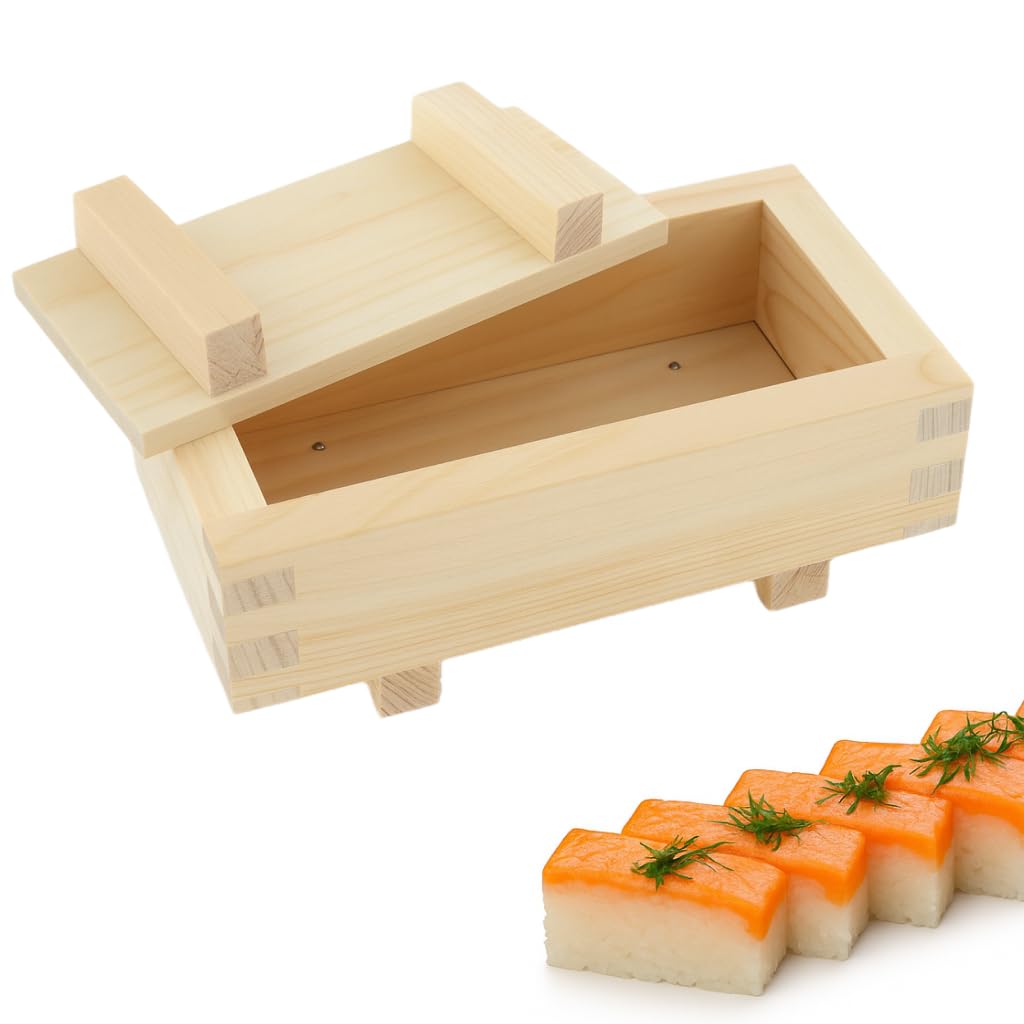
JapanBargain Wooden Oshizushi Press
A handmade pine box, 7 by 4 inches, for oshizushi, the pressed sushi of the Osaka area. You layer rice and toppings in the box, press with the lid and slice the block into neat rectangles. Hand wash to keep the wood in shape.

TAORISH Onigiri Mold Set
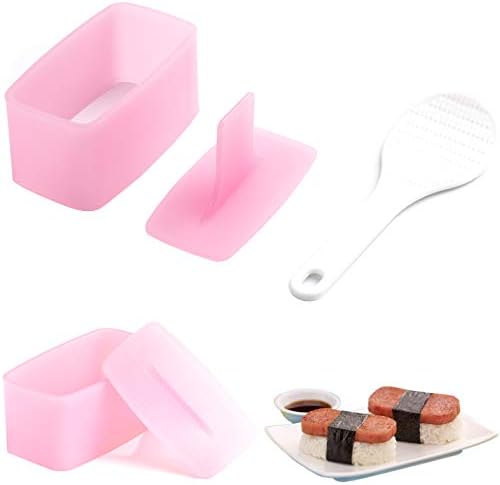
Two triangle molds, one large and one small, a musubi press and a rice scoop. The textured inner surface helps the rice come out cleanly. Handy for lunch boxes and spam musubi.
Showing 1–12 of 193 results






Start with the sushi you actually want to make
Most kits are sold by piece count, and that number tells you very little. A 27-piece kit is mostly chopsticks, chopstick rests and sauce dishes. What matters is which shaping tools are inside, so decide first what you want to eat.
Maki rolls, the cut rolls most people think of, need a rolling mat and a paddle. Nigiri needs either practice or a mold. Onigiri and spam musubi need a press. Pressed sushi from Osaka needs a box. If you only ever order California rolls, a three-piece set will do.
Rolling mats: bamboo or plastic
The makisu is the one tool every roll needs. Bamboo is the traditional choice and costs very little. Its weak point is hygiene: rice gets into the gaps and the cotton string, and a mat put away damp can go moldy. Wrap it in plastic film for inside-out rolls, rinse it right after use and let it dry fully before you store it.
Plastic mats fix most of that. Rice does not stick, you can skip the film, and they dry quickly. They feel a little stiffer in the hand. If you plan to make sushi every week, a plastic mat is the better buy. For once a month, bamboo is fine.
Bazooka rollers and molds
A sushi bazooka is a tube split in half with a plunger. You pack it with rice, lay the filling down the middle, close it and push out a log that you then wrap in nori. Every roll comes out the same size, which is why bazookas show up in so many kits for beginners and kids.
The trade-off is texture. Rice pushed through a tube ends up packed tighter than rice rolled by hand. Use less rice than you think, and wet the inside of the tube so it slides.
Molds work the same way for other shapes. A nigiri mold shapes the rice bases for you, all the same size. Triangle molds make onigiri for lunch boxes. A musubi press makes the rice block for spam musubi. A wooden oshizushi box presses layers of rice and fish into a block you slice, a style worth trying if rolling never clicks for you.
What the bigger kits add
Past the mat, paddle and roller, the extras vary. A sushi knife is the one worth having. Cutting a roll cleanly takes a long, thin, very sharp blade wiped with a damp cloth between cuts, and a blunt kitchen knife squashes the roll. Avocado and cucumber cutters save a little time. A rice spreader helps you get an even layer on the nori.
Kit knives are basic. If you already own a sharp slicing knife, a kit without one costs less and you lose nothing.
The rice matters more than the tools
No kit fixes badly cooked rice. Use Japanese short-grain sushi rice, rinse it until the water runs nearly clear, and season it while it is still warm. A wooden paddle lets you fold the seasoning through without mashing the grains. A wide bowl helps it cool fast. Rice that is too hot or too wet is the usual reason rolls fall apart, whatever mat you use.
What we'd skip
Big kits padded with plates and sauce dishes you already own. Dishwashing bamboo or wooden tools, since heat and long soaks warp them and the makers say hand wash. And if you are buying for children, skip any kit with a sharp knife unless an adult will do the cutting. A bazooka with no blades is the safer start.
We tried to include a hangiri, the wide wooden tub used to cool and season sushi rice, but the one we wanted was out of stock. A large wide bowl does the same job at home.
Our pick for a first try is a simple bamboo set plus a plastic mat later if you keep going. Buy a full kit when you know you want nigiri and onigiri as well as rolls.
Related guides
- Japanese recipe ideas, with sushi rice, onigiri fillings and more to cook at home.
- Pasta making tools, if you enjoy making food from scratch.
- Gourmet spice sets, for the rest of the pantry.